
Flexibility & Mobility Insights
Expert articles and evidence-based guidance on stretching exercises, recovery techniques, and improving your range of motion for better daily mobility.
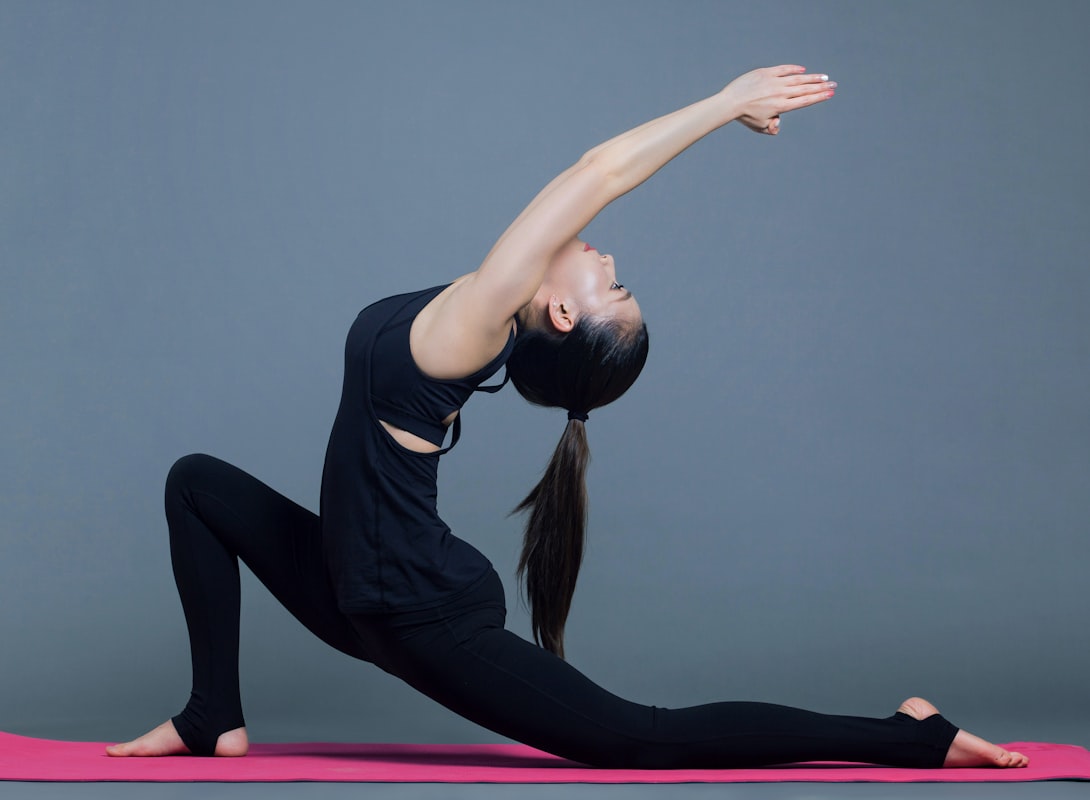
Dynamic Stretching for Warm-Up: A Complete Guide
Learn how dynamic stretching activates your muscles before exercise and prepares your body for peak performance. Discover the difference between dynamic and static stretching and why timing matters.
Read More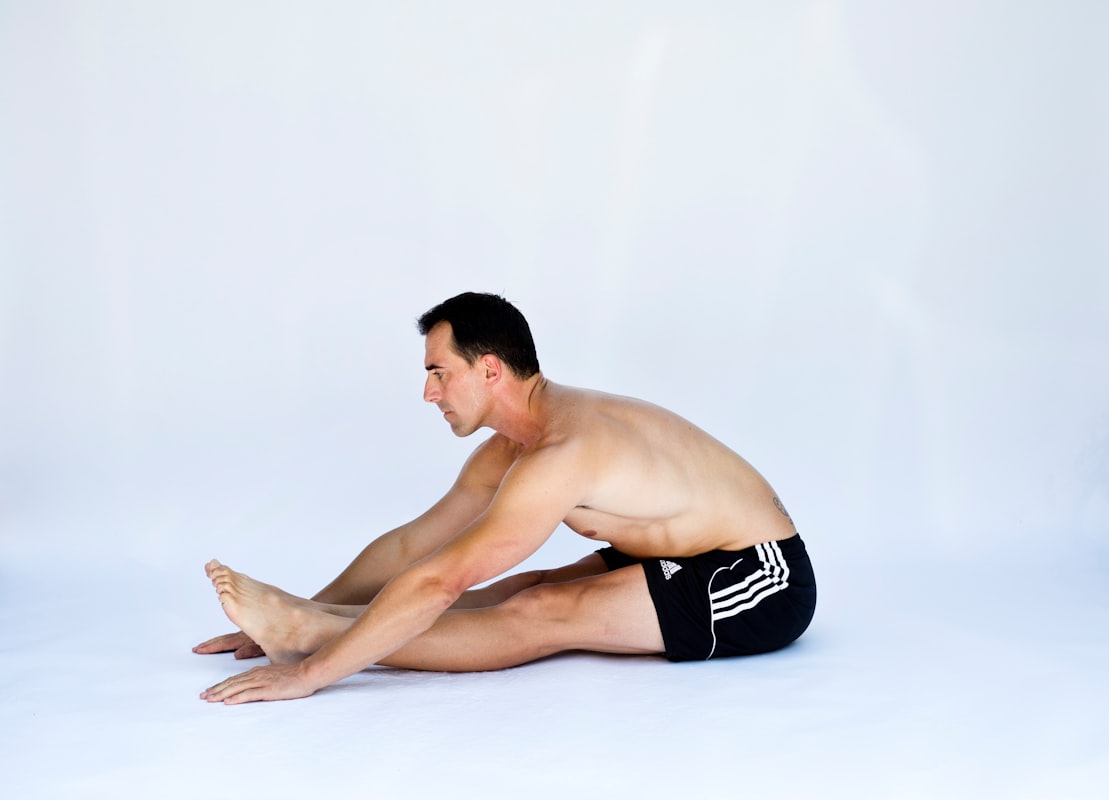
Hip and Lower Back Flexibility: Top 5 Essential Stretches
Tight hips and lower back pain affect millions. This detailed guide covers five scientifically-supported stretches that target these problem areas and improve your spinal mobility within weeks.
Read More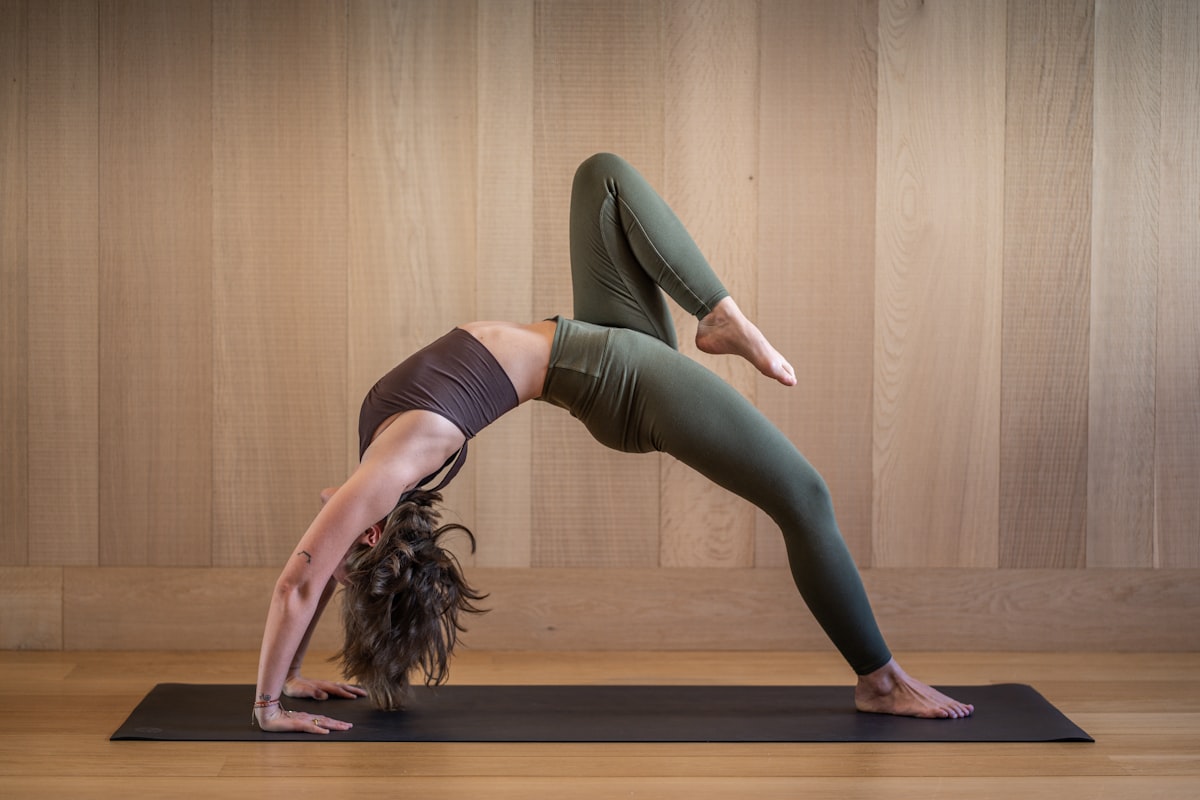
Static Stretching for Recovery: Cool Down Like a Pro
Post-workout stretching accelerates recovery and reduces muscle soreness. Explore the best static stretches to include in your cool-down routine and optimal hold times for maximum benefit.
Read More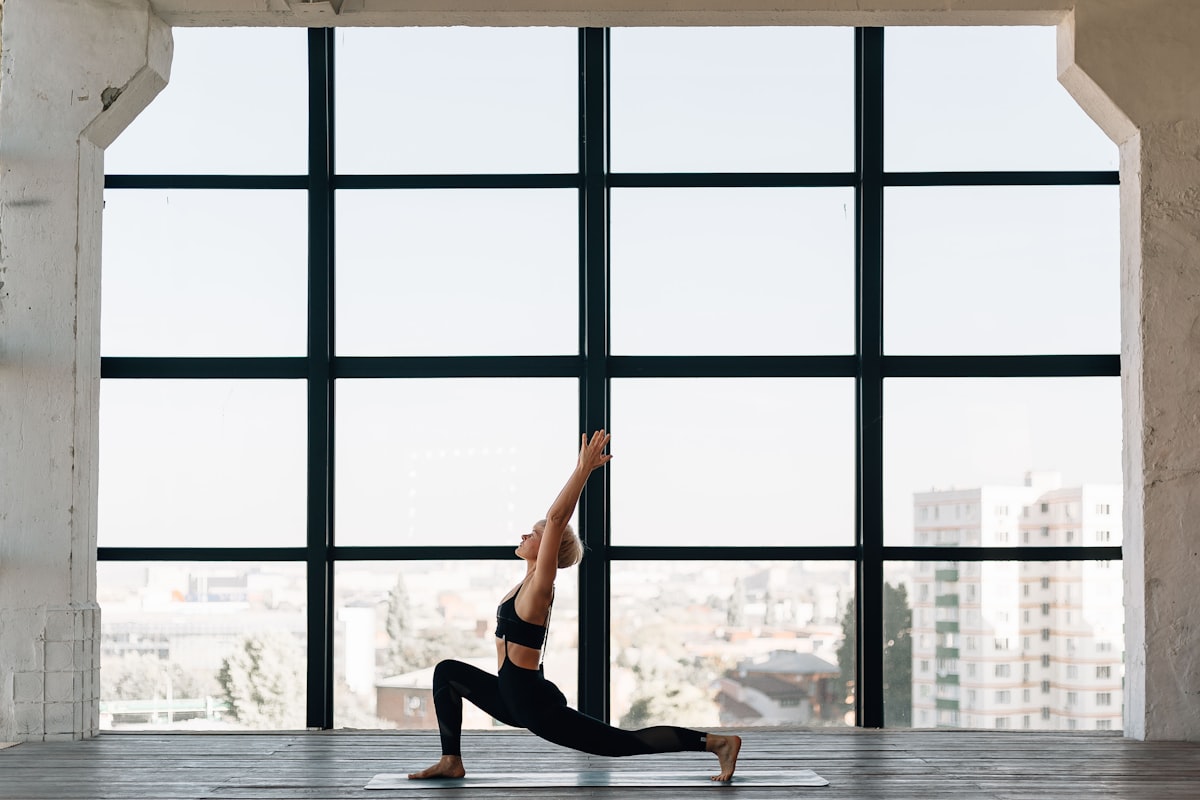
Shoulder and Chest Stretching for Desk Workers
Office posture creates tight shoulders and chest muscles. This article reveals targeted stretches that combat desk-induced stiffness and restore natural shoulder range of motion.
Read More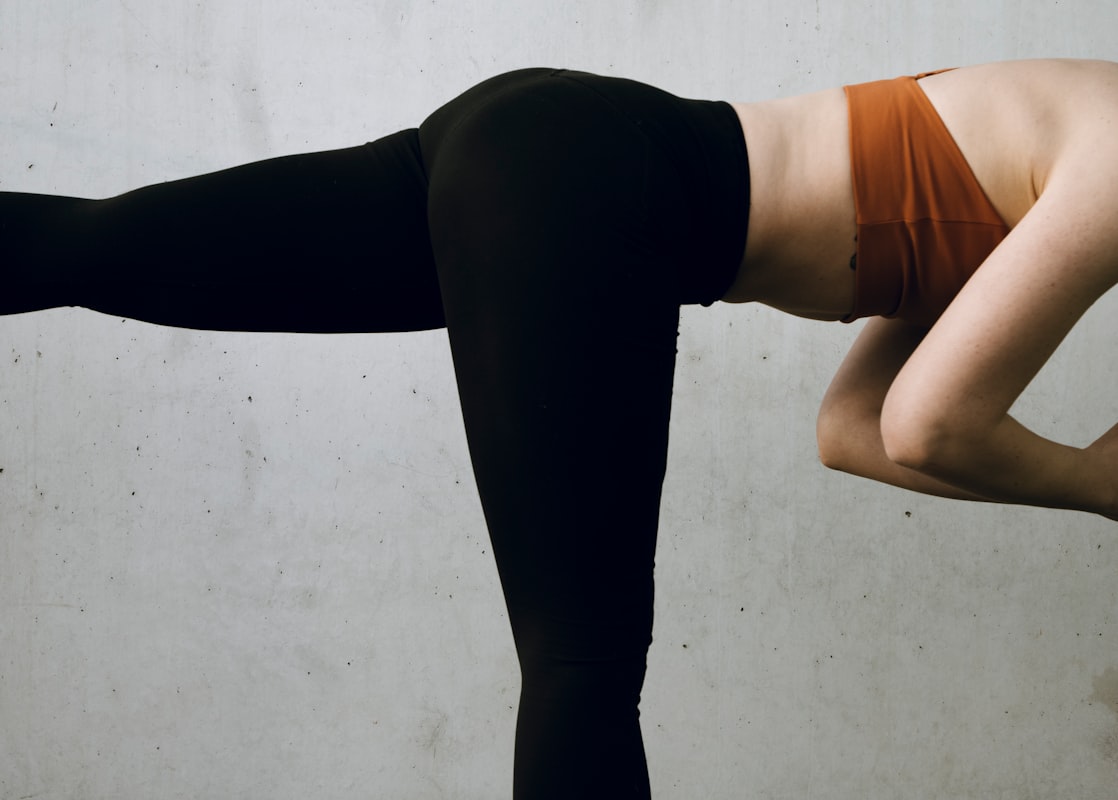
Overcoming Tight Hamstrings: Progressive Stretching Methods
Tight hamstrings limit athletic performance and daily movement. Learn progressive stretching methods that gradually increase flexibility without risk of injury or muscle strain.
Read More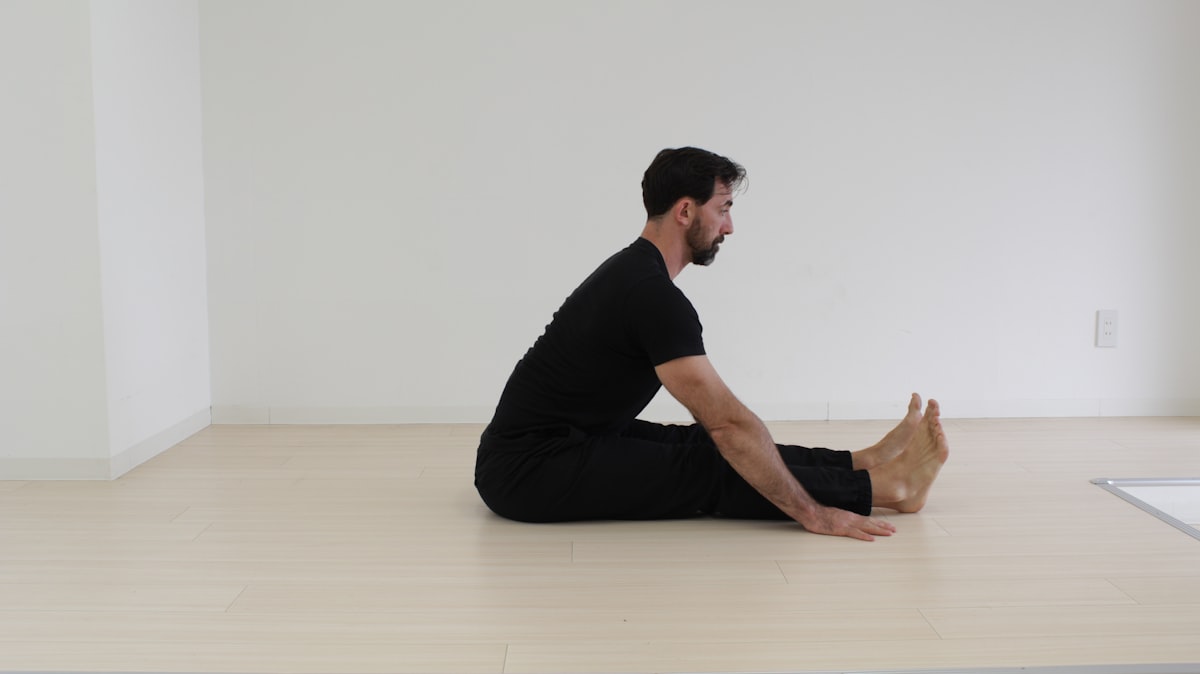
Flexibility Training for Athletes: Enhance Performance and Injury Prevention
Professional athletes prioritise flexibility training to boost performance and prevent injuries. Discover evidence-based stretching protocols used by elite teams across UK sports.
Read MoreWhy Our Readers Trust Flexibilityrecovery
Evidence-Based Content
Every article draws from scientific research, anatomical studies, and peer-reviewed findings in sports science and physical therapy.
Expert Contributors
Our editorial team includes certified fitness trainers, physiotherapists, and recovery specialists based across the United Kingdom.
Practical Guides
We focus on actionable advice you can implement immediately—detailed stretching routines, progressions, and mobility protocols for all fitness levels.
What Our Readers Say
"I struggled with poor hip mobility for years. The articles on Flexibilityrecovery gave me a structured approach to stretching that actually works. Within three months, my range of motion improved noticeably and my back pain diminished. The step-by-step guides are clear and evidence-based."
James Mitchell
Manchester, Runner and Personal Trainer
"As a desk worker, shoulder tightness was my constant complaint. The desk worker stretching guide literally changed my daily routine. Simple, effective, no nonsense—exactly what I needed."
Sarah Chen
London, Marketing Manager
"I use the hamstring flexibility progression guide with my football team. The athletes respond well to the structured approach, and we've seen measurable improvements in injury prevention."
David Reid
Birmingham, Football Coach
"Recovery articles helped me understand the difference between dynamic and static stretching. My post-workout routine is now scientific and efficient. Highly recommend to anyone serious about fitness."
Emma Thompson
Bristol, Gym Enthusiast
Frequently Asked Questions
Research suggests stretching 3-5 times per week provides optimal results for improving flexibility. Consistency matters more than intensity. Daily stretching with shorter holds (15-30 seconds) can be beneficial, while 2-3 longer sessions per week (holding 30-60 seconds) also works well. The key is maintaining a regular routine tailored to your schedule. Most readers report noticeable improvements within 4-6 weeks of consistent practice.
Yes, static stretching during cool-down significantly reduces delayed-onset muscle soreness (DOMS). Stretching increases blood flow to muscles, removes metabolic waste, and promotes faster recovery. Holding stretches for 30-60 seconds immediately after exercise is most effective. Combined with proper hydration and rest, stretching becomes a powerful recovery tool. Our recovery guides detail the best post-workout stretching protocols for different types of exercise.
Both serve different purposes. Dynamic stretching (active movement) prepares muscles for exercise and activates the nervous system—ideal for warm-ups. Static stretching (holding a position) relaxes muscles and improves long-term flexibility—best for cool-downs. Elite athletes and coaches use both strategically. Our "Dynamic Stretching for Warm-Up" guide explains when to use each, and why combining them creates the most effective flexibility routine.
Stretching is beneficial at any age. Children benefit from dynamic movement, teenagers and young adults develop baseline flexibility through structured routines, and older adults find stretching essential for maintaining independence and joint health. The approach changes with age—gentler for seniors, more intense for athletes. Our mobility guide covers age-appropriate progressions and how to safely introduce stretching at different life stages.
Gentle stretching can support injury recovery, but approach depends on injury type and stage. Acute injuries (first 48-72 hours) require rest; recovering injuries benefit from controlled stretching. Always consult a physiotherapist or doctor before beginning. Our articles emphasise modifications and contraindications—we highlight which stretches to avoid and provide alternatives for common injuries. Safety is our priority in all content.
Stay Updated with Expert Articles
Receive notifications when we publish new stretching guides, recovery techniques, and mobility research. Fresh content straight from our editorial team.
We respect your privacy. Unsubscribe anytime.
Trusted by Athletes & Fitness Professionals
Real stories from people who've transformed their recovery journey with Flexibilityrecovery.
"Flexibilityrecovery completely changed how I approach post-workout recovery. My flexibility improved in just two weeks!"
Sarah Mitchell
Marathon Runner
"As a personal trainer, I recommend Flexibilityrecovery to all my clients. The results speak for themselves."
James Rodriguez
Certified Personal Trainer
"I was skeptical at first, but after incorporating these techniques, my muscle soreness felt significantly reduced."
Emma Chen
CrossFit Athlete
Frequently Asked Questions
Find answers to common questions about Flexibilityrecovery.
How long before I see results?
Most users report noticeable improvements in flexibility and soreness within 1-2 weeks of consistent practice. Results vary based on individual fitness levels and dedication to the program.
Is Flexibilityrecovery suitable for beginners?
Absolutely! Our programs are designed for all fitness levels. We provide modifications for beginners and progressive challenges for advanced users.
How much time do I need to invest daily?
Our recovery sessions range from 10-30 minutes depending on your goals. Even 15 minutes daily can yield significant benefits.
Do I need any special equipment?
No special equipment required! Most exercises use bodyweight only. Optional items like foam rollers and resistance bands can enhance your experience.
What's your refund policy?
We offer a 30-day money-back guarantee. If you're not satisfied with your results, we'll refund your purchase in full, no questions asked.
Ready to Transform Your Recovery?
Join thousands of athletes and fitness enthusiasts who've discovered the power of proper recovery. Start your journey today.
No credit card required. Cancel anytime.